Mastering Cinematic Storytelling Techniques in Photography: Cinematic Photography Insights

Alright, listen up! If you want your photos to stop people dead in their tracks and tell stories that punch through the noise, you’ve gotta master cinematic storytelling techniques in photography. This isn’t just about snapping pretty pictures. It’s about crafting visuals that feel like a movie scene—packed with emotion, drama, and a narrative that hooks your audience instantly. Whether you’re shooting for a restaurant, bar, hotel, brewery, or beverage brand, cinematic photography can turn your visuals into unforgettable brand stories.
Let me take you on a wild ride through the essentials of cinematic storytelling in photography. Buckle up!
Why Cinematic Photography Insights Matter
You might be thinking, “Why the hell should I care about cinematic photography?” Well, here’s the deal: in a world drowning in content, your visuals need to stand out and speak volumes without saying a word. Cinematic photography does exactly that. It’s about creating images that look like they belong in a blockbuster film, evoking mood, tension, and a story that pulls viewers in.
Think about it. When you watch a movie, every frame is carefully crafted to tell a story. The lighting, composition, color grading, and even the angle all work together to create an emotional punch. That’s what you want in your photos. You want your audience to feel something the moment they see your image.
Here’s how you can start applying cinematic photography insights to your work:
Use dramatic lighting: Shadows and highlights create depth and mystery.
Play with color grading: Warm tones for cozy vibes, cool tones for sleek modern feels.
Frame your subject like a director: Use leading lines, rule of thirds, and negative space.
Capture motion or stillness: Both can tell powerful stories depending on your narrative.
Add layers: Foreground, midground, and background elements add complexity.
By mastering these, you’re not just taking photos—you’re telling stories that stick.
The Core Cinematic Storytelling Techniques You Need to Know
Let’s get down to the nitty-gritty. Here are the core cinematic storytelling techniques that will transform your photography from meh to holy shit.
1. Lighting That Speaks Volumes
Lighting is your best friend and your worst enemy. It can make or break the mood. Use natural light during golden hour for that warm, inviting glow. Or go full-on low-key lighting with harsh shadows for drama and mystery. Don’t be afraid to experiment with backlighting to create silhouettes that scream intrigue.
Example: Imagine a dimly lit bar with a single spotlight on a glass of whiskey. The shadows dance around, and the amber liquid glows like liquid gold. That’s cinematic storytelling right there.
2. Composition That Commands Attention
Forget boring centered shots. Use the rule of thirds to place your subject off-center and create tension. Use leading lines like a bar counter or a row of bottles to draw the eye straight to your subject. Negative space isn’t empty—it’s a powerful storytelling tool that can evoke loneliness, calm, or anticipation.
3. Color Grading That Sets the Tone
Color is emotional. Warm hues like reds, oranges, and yellows evoke comfort and energy—perfect for a bustling restaurant or brewery. Cool blues and greens bring calm and sophistication—ideal for a sleek hotel or cocktail lounge. Play with color contrast to highlight your subject or create mood shifts.
4. Depth and Layers for Visual Interest
Don’t shoot flat. Add foreground elements like a blurred glass or a flickering candle to create depth. Layer your shot with midground and background details to build a rich, immersive scene. This technique pulls viewers into the frame, making them feel like they’re part of the story.
5. Motion and Stillness: The Yin and Yang
Sometimes, a frozen moment tells the story best—a bartender pouring a perfect shot, a chef plating a dish with precision. Other times, a bit of motion blur adds energy and life—a crowd cheering, a glass clinking. Use shutter speed creatively to capture the vibe you want.

Where to take pictures in Lancaster , PA?
If you’re shooting in Lancaster , PA, you’re in luck. This city is a goldmine for cinematic photography. The mix of historic charm and modern vibes gives you endless storytelling opportunities.
Central Market: Bustling, colorful, and full of life. Capture the energy of vendors and customers with vibrant colors and dynamic compositions.
Lancaster City Streets: Cobblestone roads, vintage storefronts, and murals create perfect backdrops for moody, cinematic shots.
The Warehouses District: Industrial textures, exposed brick, and raw lighting make this area ideal for gritty, edgy storytelling.
Local Breweries and Bars: Use the warm, inviting interiors and craft beer culture to tell stories of community and craftsmanship.
Hotels and Boutique Inns: Capture the elegance and unique character of Lancaster’s hospitality scene with soft lighting and intimate framing.
Remember, every location has a story waiting to be told. Scout your spots, watch the light, and get ready to shoot some killer cinematic photos.

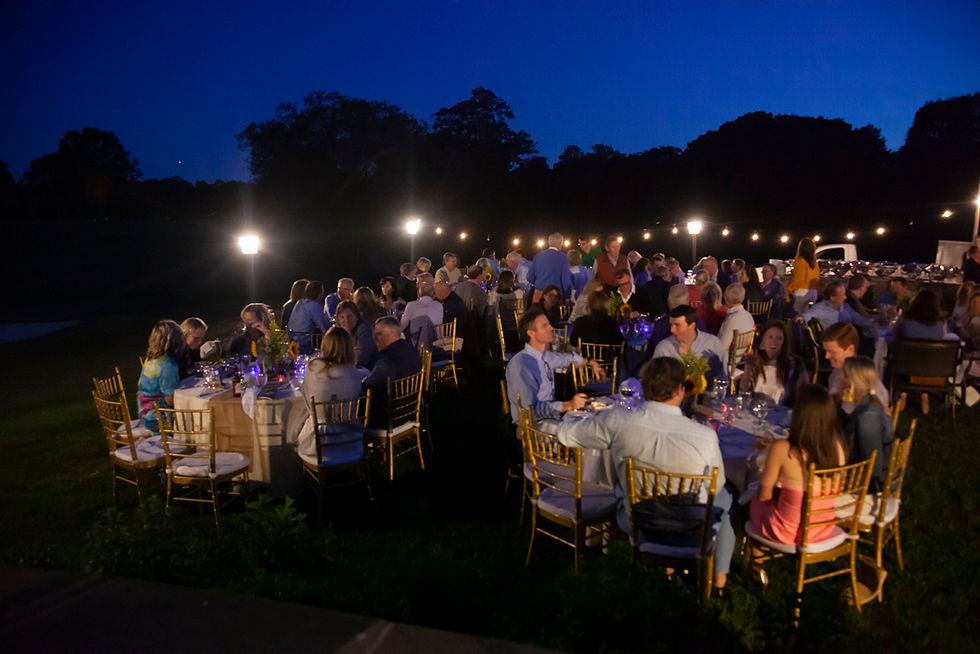
Masterful lighting means very little post production very little editing
How to Use Cinematic Storytelling to Boost Your Brand
Here’s the secret sauce: cinematic storytelling isn’t just about making cool photos. It’s about building your brand’s identity and making your audience feel connected to your story. For restaurants, bars, hotels, breweries, and beverage brands, this means:
Creating a mood that matches your vibe: Cozy, edgy, luxurious, or fun.
Highlighting your unique selling points: The craft behind your cocktails, the ambiance of your space, the passion of your team.
Engaging your audience emotionally: People don’t just buy products—they buy experiences and feelings.
Standing out in a crowded market: Cinematic visuals grab attention and make your brand memorable.
To nail this, work closely with your creative team or studio. For example, static haus | photo video lancaster specializes in helping hospitality brands tell their unique stories through cinematic visuals. They get the vibe, the story, and the impact you want to create.
Quick Tips to Start Shooting Cinematic Photos Today
No fancy gear? No problem. You can start mastering cinematic storytelling with what you have. Here’s a quick checklist to get you going:
Scout your location: Find interesting textures, lighting, and backgrounds.
Plan your lighting: Use natural light or bring in portable lights to create drama.
Think about your story: What emotion or message do you want to convey?
Experiment with angles: Shoot low, shoot high, get close, or pull back.
Use manual settings: Control your aperture, shutter speed, and ISO for creative effects.
Edit with intention: Use color grading and contrast to enhance the mood.
Tell a story with every shot: Ask yourself, “What’s happening here? Why should someone care?”
Don’t be afraid to break the rules. Cinematic photography is as much about creativity and guts as it is about technique.
Keep Pushing Your Visual Storytelling Limits
Look, mastering cinematic storytelling in photography isn’t a one-and-done deal. It’s a journey. Keep experimenting, keep learning, and keep pushing your limits. The more you shoot with intention and passion, the stronger your brand’s visual identity will become.
Remember, your photos are your brand’s silent ambassadors. Make them bold, make them unforgettable, and make them tell stories that fucking resonate.
Now go out there and shoot some cinematic magic!


Comments