Philly Coffee Festival at 23rd Street Armory The Indie Roasters Shaping the Scene


The 23rd Street Armory was packed, and you could feel it before the first sip.
People were moving from table to table with tiny cups in hand, asking questions, comparing notes, getting surprised by a washed coffee one minute and a bold espresso the next. Roasters were pouring with focus. Baristas were locked in. Friends were pointing across the room like, “You need to try that one.”
This was the Philly Coffee Festival doing what it does best: putting the city’s coffee energy in one room and turning the volume all the way up.
We were invited to check out the indie roasters, local cafes, and obsessive creatives shaping Philly’s underground coffee scene. The festival did not feel like a trade show. It felt like a reunion, a tasting room, a pop-up block party, and a love letter to coffee all at once.
Philly showed up. The roasters showed out. And if you know, you know.

The festival felt like Philly in coffee form
There is a very specific thing that happens when independent coffee people get together.
Nobody is casual about it.
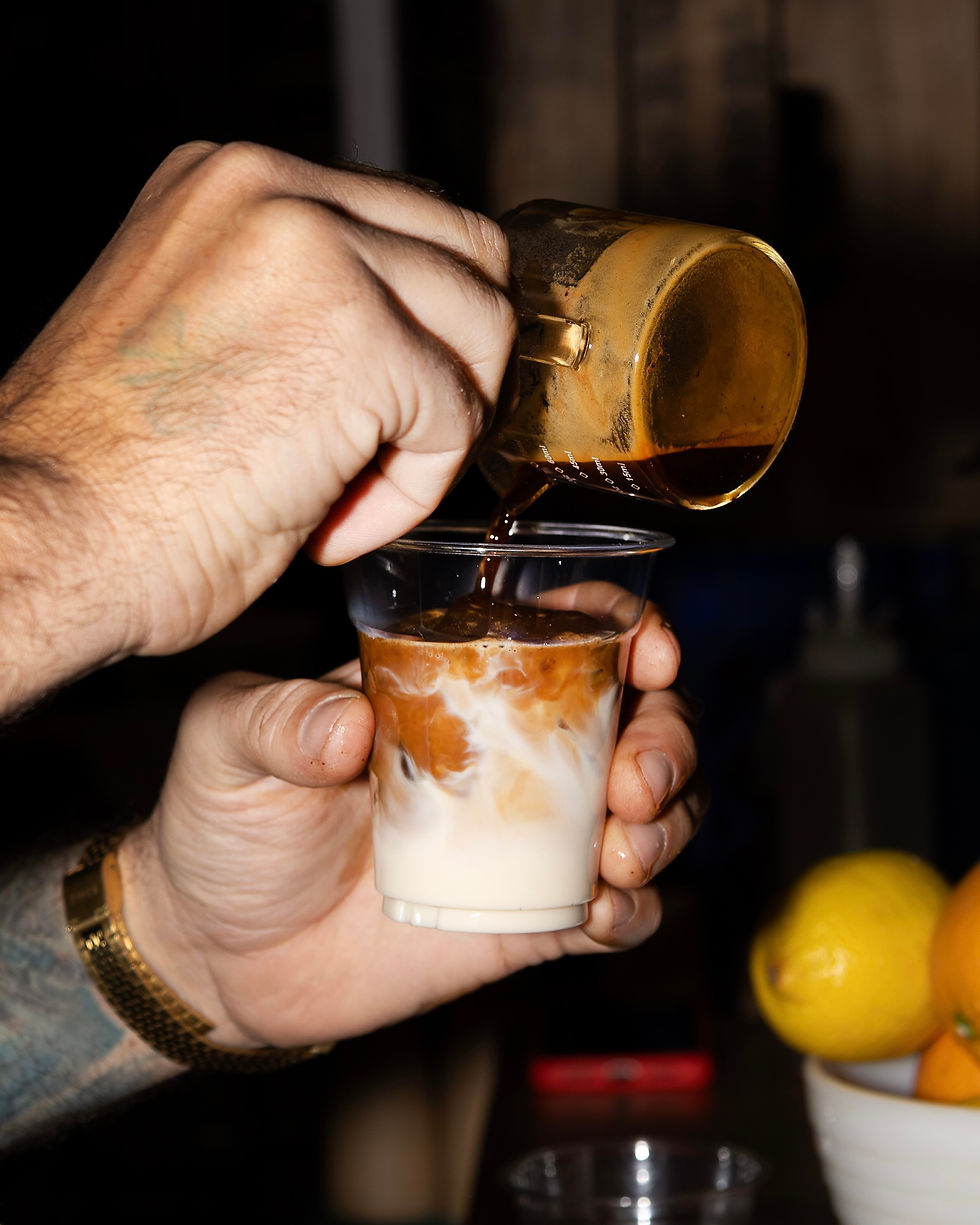
Someone is talking about grind size. Someone else is comparing natural process coffees. A roaster is explaining why a bean hits differently when it cools. A barista is dialing in shots with the kind of focus usually reserved for musicians tuning before a set.
That was the energy inside the 23rd Street Armory.
The room had movement, but it also had attention. People were not just drinking coffee to drink coffee. They were paying attention to it. They were noticing texture, sweetness, acidity, aroma, body. They were asking where the beans came from, how they were roasted, and what made each cup feel different.
That is what separates a good coffee event from a memorable one. The best moments happen in the small conversations:
“What am I tasting here?”
“Why does this one feel so juicy?”
“How did you get into roasting?”
“Where can I find you after today?”
Those questions matter. They build community. They turn a cup into a connection.
And at this festival, the connections were everywhere.
The room pulled together people from different corners of the scene. Philly cafes. New Jersey roasters. Pop-up operators. Home brewers. Espresso nerds. Casual drinkers who came curious and left with a new favorite bag of beans.
The festival made one thing clear: coffee culture in Philly is not being built by one big name. It is being built by a lot of passionate people doing the work, one cup at a time.

Indie roasters are giving the underground scene its pulse
The indie roasters at the festival were the heartbeat of the day.
They brought the experimentation, the storytelling, and the hands-on care that make specialty coffee exciting. These are the people willing to roast in small batches, test profiles, taste constantly, and have long conversations about why a cup lands the way it does.
That kind of work can be invisible from the customer side. You walk into a cafe, order a coffee, and get a cup. Easy.
But at a festival, the curtain gets pulled back.
You see the process behind the pour. You meet the person who selected the beans. You hear why they roasted a coffee lighter, darker, slower, faster. You understand that a bag on a shelf represents choices, failures, tests, and a lot of tasting.
That is where the underground scene gets its power. It is not polished in a generic way. It is personal. The people behind the tables care deeply, sometimes intensely, about what they are sharing.
At the 23rd Street Armory, that care was contagious.
There were coffees that tasted bright and fruit-forward. Others leaned rich and comforting. Some roasters brought approachable blends built for daily drinking. Others poured coffees that asked you to slow down and think for a second.
Both sides matter.
A strong local scene needs the reliable cup and the experimental pour. It needs an easy morning drip and a coffee that makes someone stop mid-sentence. The festival had room for all of it, which is why it worked.
The indie roasters are not just selling drinks. They are shaping taste. They are teaching people what coffee can be. They are making space for curiosity.
And in Philly, curiosity travels fast.

Evermore brought Jersey energy across the river
Evermore in New Jersey carried that cross-river connection that has always been part of the greater Philly coffee story.
Philly’s scene does not stop at the city line. South Jersey and Philly share people, weekends, commutes, food habits, and coffee runs. A good cafe in Jersey can absolutely become part of a Philly person’s rotation, especially when the coffee hits and the people behind it bring real care.
Evermore has that kind of energy.
The story here is bigger than one booth or one cup. It is about how a New Jersey coffee spot can feel close to Philly without trying to copy Philly. That matters. The region works best when each place keeps its own flavor, its own pace, and its own point of view.
At an event like the Philly Coffee Festival, Evermore’s presence felt like a reminder that the scene has soft borders. The best coffee people do not move like isolated islands. They trade ideas. They visit each other. They taste what the next person is doing. They bring friends. They bring bags home.
That shared motion helps the whole region grow.
Evermore represented the kind of cafe culture that thrives because of repeat visits and real relationships. The kind of place where the drink matters, but so does the feeling of being remembered. The kind of place that can live in a neighborhood and still show up in a festival hall with something to say.
That is the good stuff.
Not every great coffee story starts in the center of the city. Some of them come across the bridge with a box of beans, a few great pours, and a loyal crowd that already knows what is up.
MOTW added purpose and presence to the Philly scene
MOTW in Philly brings a different kind of charge.
Some coffee brands are built only around the cup. MOTW feels like it carries a wider sense of identity and gathering with it. There is coffee, yes, but there is also community, intention, and a feeling that people are being welcomed into something deeper than a quick transaction.
That matters in a city like Philadelphia.
Philly respects places with a point of view. People can tell when something is built with care and when it is just dressed up to look interesting. MOTW stands out because it feels rooted. It gives people a space to meet, talk, pause, and connect over something warm.
At the festival, that kind of presence fit perfectly.
Coffee culture is often described through taste notes, brew methods, and origin stories. All of that is real. All of that matters. But the human side matters just as much.
Who gets to feel at home in the scene?
Who is making space?
Who is bringing people together?
MOTW’s role in Philly helps answer those questions. A cafe can be more than a stop on the way to work. It can be a room where people feel seen. It can be a bridge between cultures, friend groups, artists, students, and neighbors.
That is where coffee becomes social glue.
And when that energy enters a festival setting, it changes the room. It reminds everyone that coffee is not only about what is in the cup. It is also about what happens around it.

Habitat Coffee showed why neighborhood cafes matter
Habitat Coffee in Philly brought the kind of grounded, neighborhood-driven energy that every strong scene needs.
A city can have all the specialty roasters in the world, but the culture only lasts if people have places to return to. A neighborhood cafe becomes part of someone’s week. It becomes the place before work, after class, between errands, after a long walk, during a creative block, before a first date, after a bad day.
That is the lane where Habitat fits.
The best neighborhood cafes understand rhythm. They know when to move fast and when to let people linger. They know that a regular drip coffee can be just as important as a carefully built latte. They know that music, seating, lighting, and friendly service all carry weight.
Habitat’s story feels connected to that daily life. Not loud for the sake of being loud. Not trying to be everything. Just present, thoughtful, and part of the fabric.
At the festival, that translated well because not every table needed flash. Some of the most memorable coffee moments come from simplicity done right.
A clean pour.
A friendly exchange.
A cup that makes you think, “Yeah, I could drink this every day.”
That daily-drinker quality is underrated. Coffee people love rare beans and wild flavor notes, but most of the culture is built on repeat trust. People come back because the cup is good, the team cares, and the place feels right.
Habitat Coffee represents that side of Philly’s scene. It is the reminder that underground culture still needs homes. Cafes are those homes.
The creatives are the culture
The thing that stayed with us most was not one specific drink.
It was the people.
The roasters explaining their beans with their whole chest. The baristas moving fast but still smiling. The cafe owners reconnecting with friends from other shops. The artists, photographers, musicians, writers, and design-minded coffee lovers floating through the room with a cup in one hand and a camera or tote bag in the other.
This is the energy that makes coffee culture.
It is obsessive in the best way. People care about details that others might miss. They care about water temperature. They care about cup shape. They care about whether the espresso tastes balanced. They care about how the table looks, how the bag feels, how the customer is greeted.
That level of care can look intense from the outside, but inside the scene, it feels like love.
Philly has always had a strong creative pulse. Coffee fits naturally into that rhythm because cafes often become the meeting points. Ideas start there. Zines get passed around there. Songs get written there. Projects get planned there. Friendships deepen there.
The festival compressed all of that into one room.
It gave the creatives a place to gather and celebrate the thing they keep building on normal days, often without much spotlight. That is part of why the event felt so good. It was not just about discovery. It was about recognition.
People saw each other.
They tasted each other’s work.
They cheered each other on.
That kind of mutual respect is the difference between a trend and a real scene.
Why the Armory setting made it hit harder
The 23rd Street Armory gave the festival weight.
A coffee festival could happen in a plain convention space and still be fun, but the Armory added character. The scale of the room helped the event feel big, while the packed tables kept it personal. It had that old-building texture that makes everything feel a little more alive.
There was something satisfying about seeing modern coffee culture inside a historic space. The contrast worked. Old walls, new roasts. A classic Philly building filled with people chasing fresh flavor.
That setting made the festival feel rooted in the city instead of floating above it.
Philly is not a city that responds well to anything too sterile. It likes texture. It likes personality. It likes a little grit. The Armory gave the event that backdrop without stealing attention from the coffee.
And the crowd brought the rest.
You could feel the room humming. Not in a forced way. In a real way. People were excited to be there. They were engaged. They were caffeinated, yes, but also genuinely interested.
The festival did not need to convince anyone that Philly coffee matters.
The room already knew.

Go next time and make a day of it
If you missed this one, put the next Philly Coffee Festival on your radar.
Go with an open mind and a light breakfast. Taste widely. Ask questions. Buy a bag from a roaster you have never tried. Revisit a cafe you already love. Talk to the people behind the table. If a cup surprises you, say so. That feedback means something to the people pouring it.
A few tips for getting the most out of it:
Start slow so you do not burn out after the first few tastings.
Take notes on the coffees you love.
Ask roasters what they are most excited to share.
Bring a tote bag for beans and merch.
Leave room for surprises.
The best part of an event like this is that you do not need to be a coffee expert to enjoy it. You just need curiosity.
If you already know the difference between washed and natural process coffee, you will have plenty to explore. If you just know you like a good latte, you will still have a great time. The festival meets people where they are, then opens the door a little wider.
That is the magic.
The Philly Coffee Festival packed the 23rd Street Armory for a reason. It brought together the indie roasters, neighborhood cafes, Jersey connections, and Philly creatives who keep this scene moving. Evermore, MOTW, Habitat Coffee, and so many others showed that coffee here is not just a drink. It is a craft, a gathering point, and a shared language.
Philly showed up, and the festival did not disappoint.
If you get the chance, check it out next time. Taste the coffee, meet the people, feel the room. That is the immersive part you cannot get from a bag on a shelf.
IYKYK.


Comments