Restaurant Menu Photography in Philadelphia Pricing, Quality, and Choosing the Right Photographer

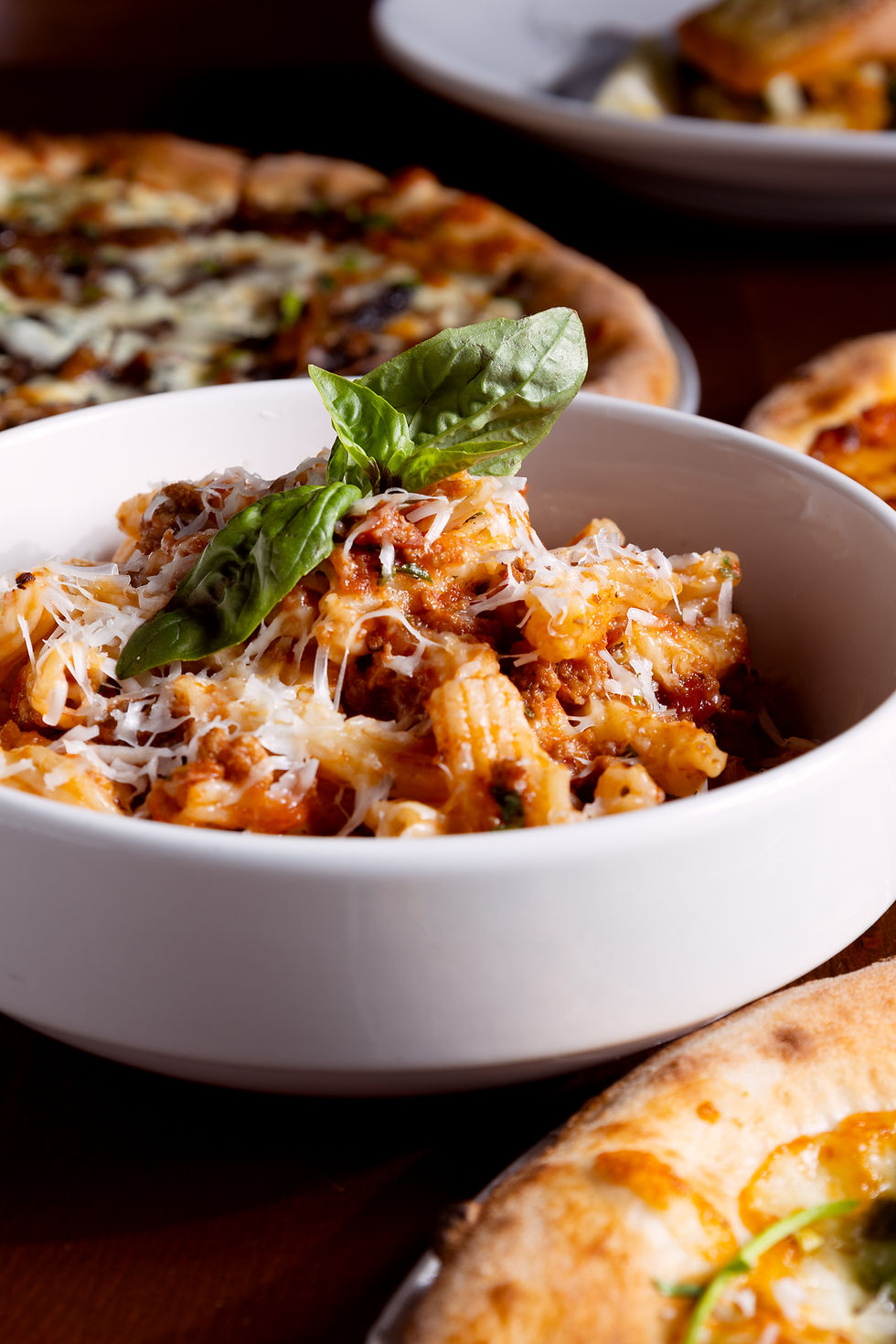
A beautiful entrée can look flat, dull, or even unappetizing if the photo is rushed. For restaurants in Philadelphia, where diners compare options before they ever walk through the door, menu photography can shape a first impression fast.
Good photos help guests understand the dish, trust the quality, and feel more confident ordering. Poor photos do the opposite. They can make fresh pasta look heavy, a bright cocktail look muddy, or a crisp sandwich look dry.
This guide breaks down what restaurant menu photography usually costs in Philadelphia, why quality matters, and how to choose the right photographer for your menu shoot.
Understanding restaurant menu photography pricing in Philadelphia
Menu photography pricing can vary widely because not every shoot requires the same amount of work. In Philadelphia, a common range is $75 to $250+ per finished image, depending on the photographer, the scope of the shoot, and what is included.
A quick photo of one dish in available light is very different from a full menu shoot with lighting, styling, planning, and detailed editing.
What affects the price per image
Several factors can raise or lower the cost of a menu photography project.
Number of dishes
A larger shot list can reduce the cost per image in some cases because the photographer is already on-site and set up. A shoot for 5 dishes may cost more per image than a shoot for 25 dishes.
Creative planning
Strong menu photography starts before the camera comes out. Planning may include reviewing the menu, building a shot list, choosing backgrounds, deciding on plating, and grouping dishes by category.
Lighting setup
Natural light can work well in some Philadelphia restaurants, especially spaces with big windows. But many shoots need controlled lighting to keep every dish consistent. Proper lighting helps food look fresh, textured, and true to color.
Food styling
Some photographers include basic styling guidance. Others work with food stylists or expect the kitchen team to plate each dish. Styling matters because small details, like sauce placement or garnish position, can change the entire photo.
Editing and retouching
Finished menu images usually include color correction, contrast adjustments, cropping, and light cleanup. More advanced retouching takes more time and may cost more.
Usage rights
Ask where and how you can use the final images. Menu boards, delivery apps, website menus, printed menus, and ads may all have different usage terms depending on the photographer.
What is usually included in menu photography pricing
A higher price does not always mean better work, but it often includes more support. When comparing quotes, look beyond the final number.
A strong menu photography package may include:
Pre-shoot planning call
Shot list development
On-site lighting setup
Basic food styling direction
Professional camera and lighting equipment
Image selection
Editing and color correction
Final image delivery in web and print-ready sizes
Clear usage rights
A lower-cost option may still be a good fit if the menu is simple, the restaurant has great natural light, and the team already knows exactly what needs to be photographed.
The key is clarity. A $100 image that includes planning, lighting, and editing may be a better value than a $75 image with limited support and inconsistent results.
Why quality menu photography matters
People often decide what to order with their eyes first. A menu photo gives guests a quick promise of what the dish will feel like.
If the photo looks warm, fresh, crisp, and inviting, the dish feels more appealing. If the image is dark, blurry, flat, or oddly colored, the food can seem less desirable, even when it tastes excellent.
That matters across many restaurant types in Philadelphia:
A Center City lunch spot needs sandwiches and bowls to look quick, fresh, and satisfying.
A South Philly Italian restaurant needs pasta, sauces, and seafood to feel rich without looking heavy.
A Fishtown cocktail bar needs drinks to look balanced, chilled, and intentional.
A University City café needs pastries, coffee, and brunch plates to feel bright and craveable.
Quality photos help customers answer simple questions before ordering:
What exactly comes with this dish?
How large does it look?
Does it feel fresh?
Is it worth the price?
Does this match the restaurant’s style?
When the photo answers those questions well, ordering feels easier.

How food, light, and styling improve the final image
The best menu photos usually look simple, but they are carefully built. Three things make the biggest difference.
Food should look fresh and natural
Food has a short window where it looks its best. Greens wilt, sauces dry, cheese hardens, and fried items lose texture.
For a successful shoot, the kitchen should plan the order of dishes carefully. Photograph items that fade quickly first. Bring sauces, garnishes, and final touches out at the last moment.
A burger, for example, should look juicy and structured without seeming fake. A salad should show color and height. A bowl of ramen should show broth, noodles, toppings, and steam if possible.
Light should shape the dish
Flat overhead lighting can make food look lifeless. Good lighting creates shape, texture, and appetite appeal.
Side light often works well for food because it brings out details like grill marks, flaky pastry, glossy sauce, or crisp edges. Soft light can make brunch, desserts, and drinks feel warm and inviting. Stronger contrast may fit steaks, cocktails, or dramatic dinner dishes.
Styling should support the food
Styling should not mislead guests. The goal is to make the real dish look its best.
Small styling choices can help:
Wipe plate edges before shooting.
Add sauce with control, not excess.
Use garnishes that match the actual menu item.
Choose plates and surfaces that fit the restaurant.
Keep props simple so the dish stays central.
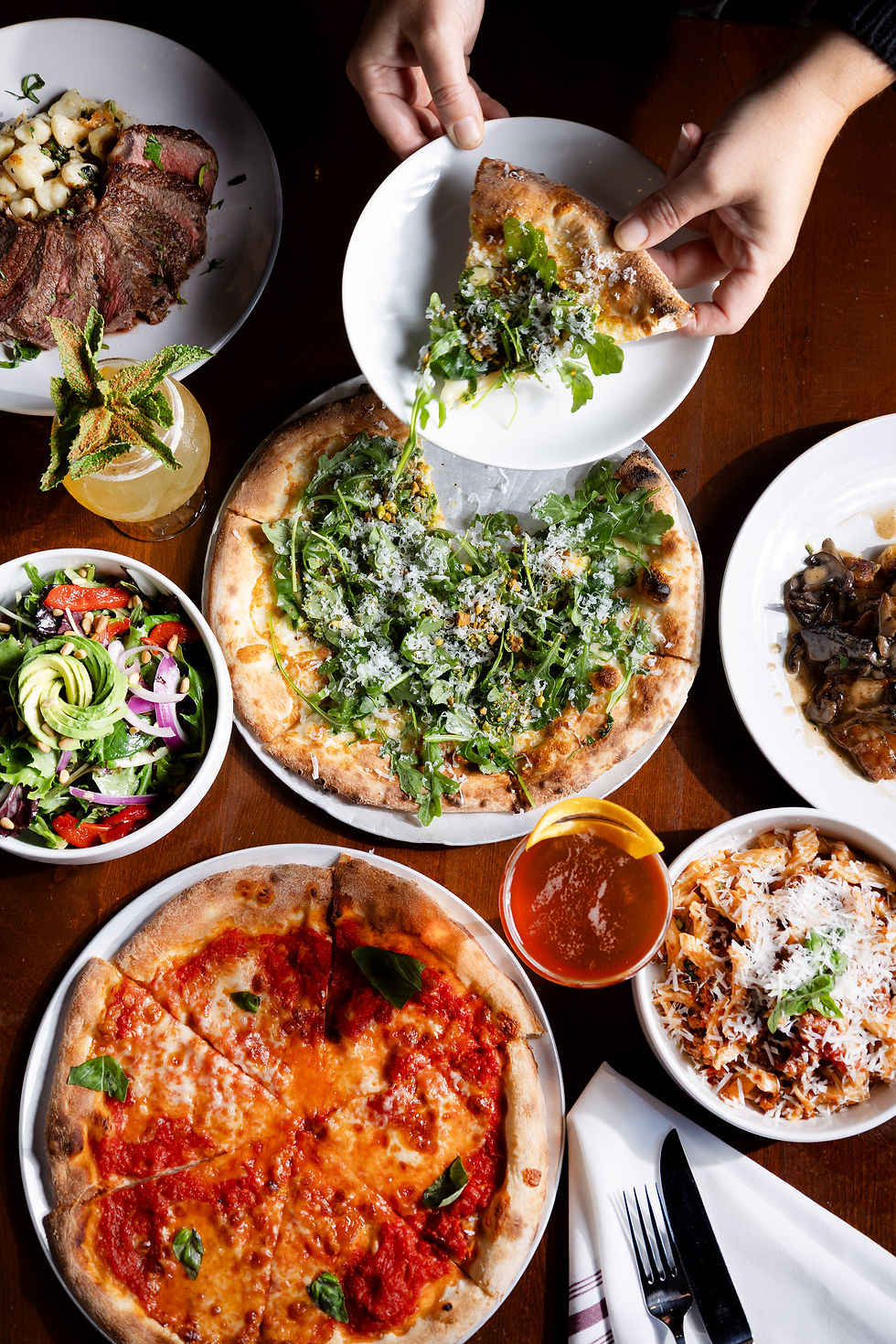
A strong photo of a pizza might show melted cheese, blistered crust, and a clean slice pull. A strong photo of a cocktail might show clear ice, garnish detail, glass texture, and a little condensation.
How to choose the right photographer for your restaurant
The right photographer understands food, speed, and the restaurant environment. Menu shoots can be tight. The kitchen is active, dishes need to be timed, and the photographer must work without disrupting service.
Review the portfolio carefully
Look for more than pretty pictures. A strong food photography portfolio should show consistency across different dishes.
Pay attention to:
Color accuracy
Sharp focus where it matters
Natural-looking food texture
Clean composition
Consistent lighting
Experience with dishes similar to yours
A style that fits your restaurant
If your restaurant is casual and energetic, a moody fine dining portfolio may not be the right match. If your space is intimate and upscale, bright delivery-app-style photos may feel too plain.

Ask practical questions before booking
Good questions can prevent confusion later.
Ask:
How do you price menu photography?
What is included in the rate?
How many dishes can you photograph in one session?
Do you provide lighting?
Do you help with styling?
How should the kitchen prepare?
How long does editing take?
What file sizes are delivered?
Where can the images be used?
Are there extra fees for rush delivery or additional edits?
Clear answers are a good sign. Vague answers can lead to delays, surprise costs, or photos that do not match your needs.
Balancing budget with quality
Budget matters, especially for independent restaurants. But the cheapest option is not always the best value.
If photos will be used across printed menus, online ordering, delivery platforms, social media, and your website, the images need to work hard. Paying more for strong, reusable photos can make sense.
A good way to manage cost is to prioritize.
Start with:
Best-selling dishes
Highest-margin items
New menu additions
Seasonal specials
Signature drinks or desserts
You do not need to photograph everything at once. A smaller shoot with excellent images is often better than a full menu shoot with uneven results.
A saveable checklist for your next menu shoot
Before booking a Philadelphia menu photographer, confirm these details:
Question | Why it matters |
What is the price per finished image? | Helps compare quotes clearly |
What is included in the rate? | Shows the real value of the package |
Who handles food styling? | Keeps dishes camera-ready |
What lighting will be used? | Creates a consistent look |
How many final images are delivered? | Avoids confusion after the shoot |
What usage rights are included? | Protects future menu and marketing use |
When will final files be ready? | Helps plan menu launches |
The takeaway for Philadelphia restaurants
Great menu photography is more than a nice extra. It helps guests trust the food before they order.
In Philadelphia, expect restaurant menu photography to range from $75 to $250+ per image, with pricing shaped by planning, lighting, styling, editing, usage, and experience. The best photographer is not always the cheapest or the most expensive. It is the one whose process, style, and deliverables match what the restaurant actually needs.
Choose carefully, prepare the kitchen, and focus on the dishes that matter most. Strong menu photos can make the food look as good as it tastes.



Comments