
What should Philadelphia Hotel photography actually cover in 2026?

Hotel Photography in Philadelphia: It’s About More Than the Rooms
We’re on site in Philadelphia today shooting a hotel, and we’re not just photographing rooms.
When a hotel brings in a professional photographer, the goal should be bigger than documenting the property. You need a library of images that helps people understand what it feels like to stay there and gives your marketing team enough material to actually market the hotel.
For Philadelphia hotels, that means showing the rooms, but also everything around them. The lobby. The restaurant. The bar. The rooftop. The architecture. The amenities. The people. The details that give the property its personality.
Think about what makes your hotel different from the one two blocks away. That’s the stuff worth photographing.
A good hotel photography library should give your team images they can use across:
Your website
Google Business Profile
Instagram and other social channels
Booking platforms
Paid advertising
Email marketing
Press and PR
Editorial and media requests
Sales presentations
Wedding and event proposals
Corporate group sales
If you only have a folder full of beautifully photographed rooms, you have some good photography. What you may not have is a useful marketing library.
That’s an important difference.
What Should Actually Be Covered?
Every hotel is different, and the photography should reflect the property. But there are some areas we think about on almost every shoot.
Guest Rooms and Suites
Yes, the rooms are important. They’re also where a lot of hotel photography starts and stops.
We like to go further.
Depending on the property, coverage might include:
Standard rooms
Deluxe rooms
Suites
Bathrooms
Beds and bedding
Views from the room
Workspaces
In-room amenities
Architectural details
Furniture and materials
Connecting rooms
Unique room features
You’ll want a mix of wide photographs that establish the space and tighter images that show the details.
A wide shot tells someone what the room looks like. A detail shot can tell them what it feels like.
And don’t forget the view. If your hotel has a great city view, historic building, river, skyline or neighborhood outside the window, that’s part of the room experience.
Lobby, Interiors and Architecture
The lobby is often the first physical impression a guest gets.
Photograph the space at different distances and look for the things that make it recognizable. That might be a dramatic staircase, an old architectural detail, unusual furniture, artwork, lighting, tile, woodwork or a great bar tucked into the corner.
Useful coverage can include:
Lobby and reception
Lounges
Hallways
Elevators
Stairs
Meeting spaces
Architectural details
Artwork
Furniture
Lighting
Historic features
Design elements
Don’t overlook the small stuff. Those details can be incredibly useful for social media, website layouts and editorial stories.
Food and Beverage
If the hotel has a restaurant or bar, give it proper attention.
A hotel restaurant isn’t just another amenity. In many properties, it’s part of the reason people visit.
Think about photographing:
Restaurant interiors
Bar interiors
Signature dishes
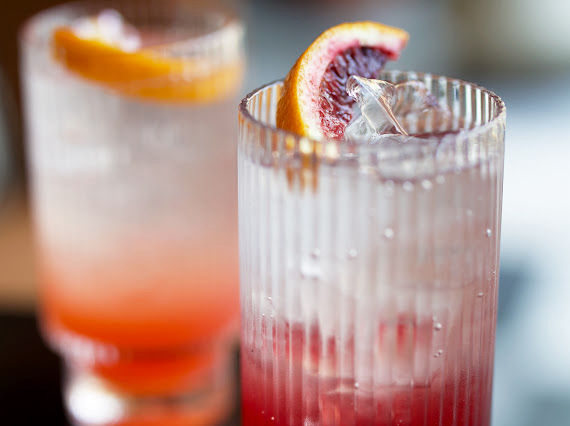
Cocktails
Coffee
Breakfast
Room service
Wine and beer
Chefs and bartenders
Servers and staff
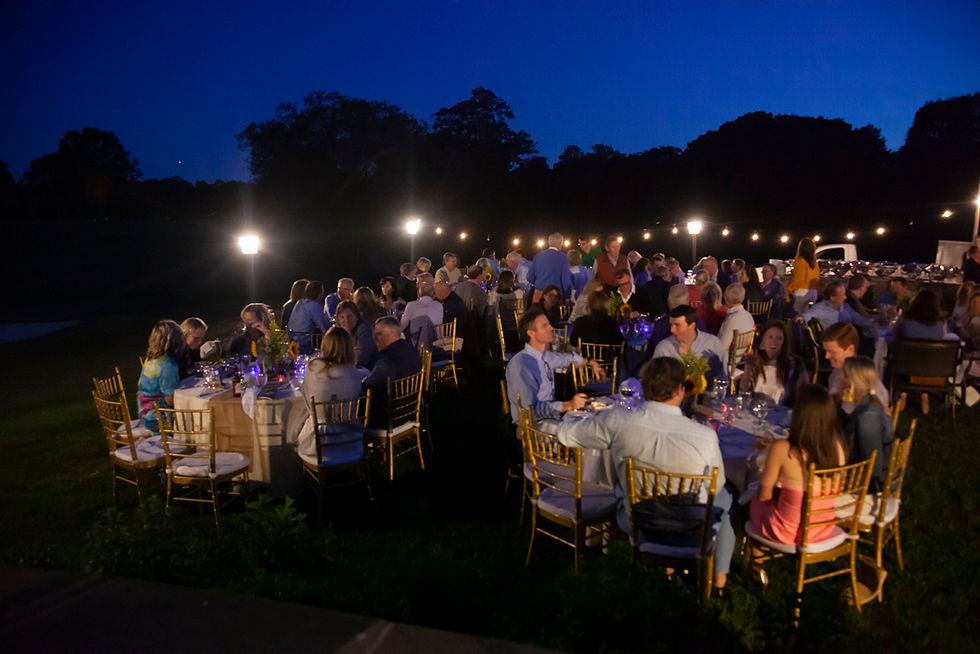
Guests enjoying the space
Behind-the-scenes moments
Food and beverage photography can also give your marketing team an entirely separate bank of content to work with.
And if the restaurant has its own identity, make sure the photography reflects that instead of making it look like an extension of the hotel brochure.
Amenities
Ask a simple question:
What can a guest actually do here?
That question should drive the photography.

Depending on the property, that could mean:
Pool
Fitness center
Spa
Rooftop
Outdoor spaces
Fire pits
Business center
Pet-friendly amenities
Meeting rooms
Wedding spaces
Event spaces
Concierge services
Recreational areas
These are often the things people compare when deciding between two hotels.
If you have something that the competition doesn’t, make sure people can see it.
Don’t Forget the People
This is one of the easiest things to miss.
Hotels are businesses built around hospitality, but hotel photography can sometimes make them look completely deserted.
A beautifully photographed empty room shows someone the room.
A photograph of a guest having a drink at the bar, working in the lobby, checking in, eating breakfast or sitting on the rooftop gives them something else: a reason to imagine themselves there.
Depending on the brand, you may want a mix of polished lifestyle photography and more candid, documentary-style images.
The goal isn’t to stage every moment. Sometimes the best photographs happen when people are simply doing what they would normally do.
Think About Where the Photos Are Going
Before the shoot, think about every place your hotel needs photography.
One image might appear:
Horizontally on your website
Vertically on Instagram
Cropped for a Google Business Profile post
Inside a paid social ad
In an email campaign
In a wedding proposal
In a press release
On a booking platform
In a magazine or editorial feature
That should influence how the photographer shoots.
You don’t necessarily need a completely different photograph for every platform, but you do want enough variety in orientation, composition and framing that your marketing team isn’t constantly trying to make one horizontal room shot work everywhere.
This is something worth discussing with your photographer before the shoot, not after.
Build a Library Your Marketing Team Can Actually Use
A useful hotel photography library should have some basic qualities:
Coverage: The entire property is represented, not just the obvious spaces.
Variety: You have wide shots, medium shots and details.
Consistency: The images feel like they belong to the same hotel and brand.
Flexibility: Images can be cropped for different platforms.
Authenticity: The photography feels like the actual property.
Timeliness: The images reflect what guests will see when they arrive.
Organization: Your team can actually find the image they need six months later.
That last one gets overlooked.
A great shoot isn’t nearly as useful if your marketing team has to dig through 2,000 unnamed files to find a photograph of the bar.
When Should a Hotel Update Its Photography?
There’s no magic expiration date on a photograph, but there are plenty of reasons to update your library.
Consider a new shoot when you have:
Renovated guest rooms
Rebranded the property
Opened a new restaurant or bar
Added or redesigned amenities
Changed your interiors
Added new event spaces
Introduced a new chef or food program
Changed your room categories
Launched a new package or guest experience
Updated your brand identity
There’s also a strong argument for ongoing content.
A hotel with an active restaurant, bar, rooftop, event program or seasonal calendar has new things to photograph all year.
Instead of trying to capture everything in one giant annual shoot, some properties are better served by quarterly or monthly content sessions.
That gives the marketing team fresh photography and video for:
Seasonal campaigns
Special events
New menus
Holidays
Promotions
Social media
Google Business Profile
PR
Paid advertising
The library grows as the hotel changes.
The Question Your Photography Should Answer
Good hotel photography answers more than, “What does this place look like?”
It should help answer:
“Why would I want to stay here?”
That’s the real job.
Your photography is often the first experience someone has with your property. Before they book a room, walk through the lobby or sit down at the bar, they’ve already made an impression based on what they see online.
Make that impression count.
At STATIC HAUS, we create hotel photography, hospitality photography, food and beverage photography, video and ongoing content for hotels, restaurants, bars and hospitality brands.
We’re based in Pennsylvania and work throughout Philadelphia and the surrounding region, including Lancaster, Harrisburg, Baltimore, Washington, DC and New York City.
We’re in Philadelphia today doing exactly this.
The rooms are only the beginning.
This version should also give you a much stronger evergreen SEO page because it answers actual questions a hotel owner or marketing person might search, rather than reading like a promotional post.


Comments